Immersive SEND Digital Soundscape Lab
Reimagining immersive music with disabled young people
The Immersive SEND Digital Soundscape Lab is an artistic research project exploring how immersive technologies -including Spatial Audio, Binaural Sound and Haptics - can enable children and young people with Special Educational Needs and Disabilities (SEND) to become active creators of music.
Working alongside K’antu Ensemble’s musicians, composers, sound artists, technologists, teachers and SEND practitioners, participants will help design and test new ways of making immersive music that are genuinely accessible.
Rather than creating technology for disabled people, we are developing it with them.
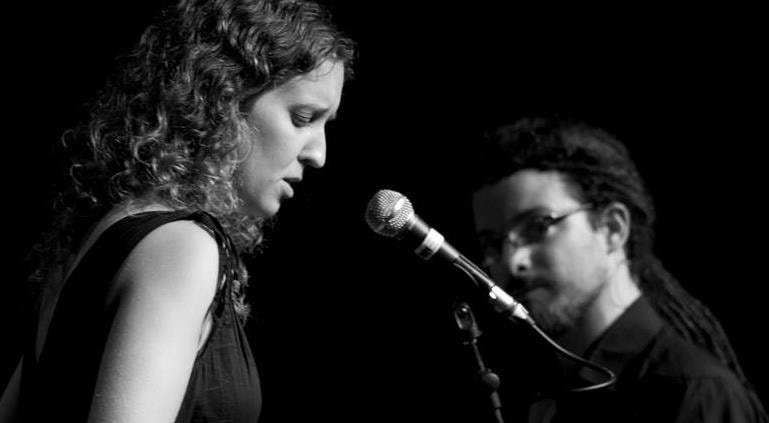
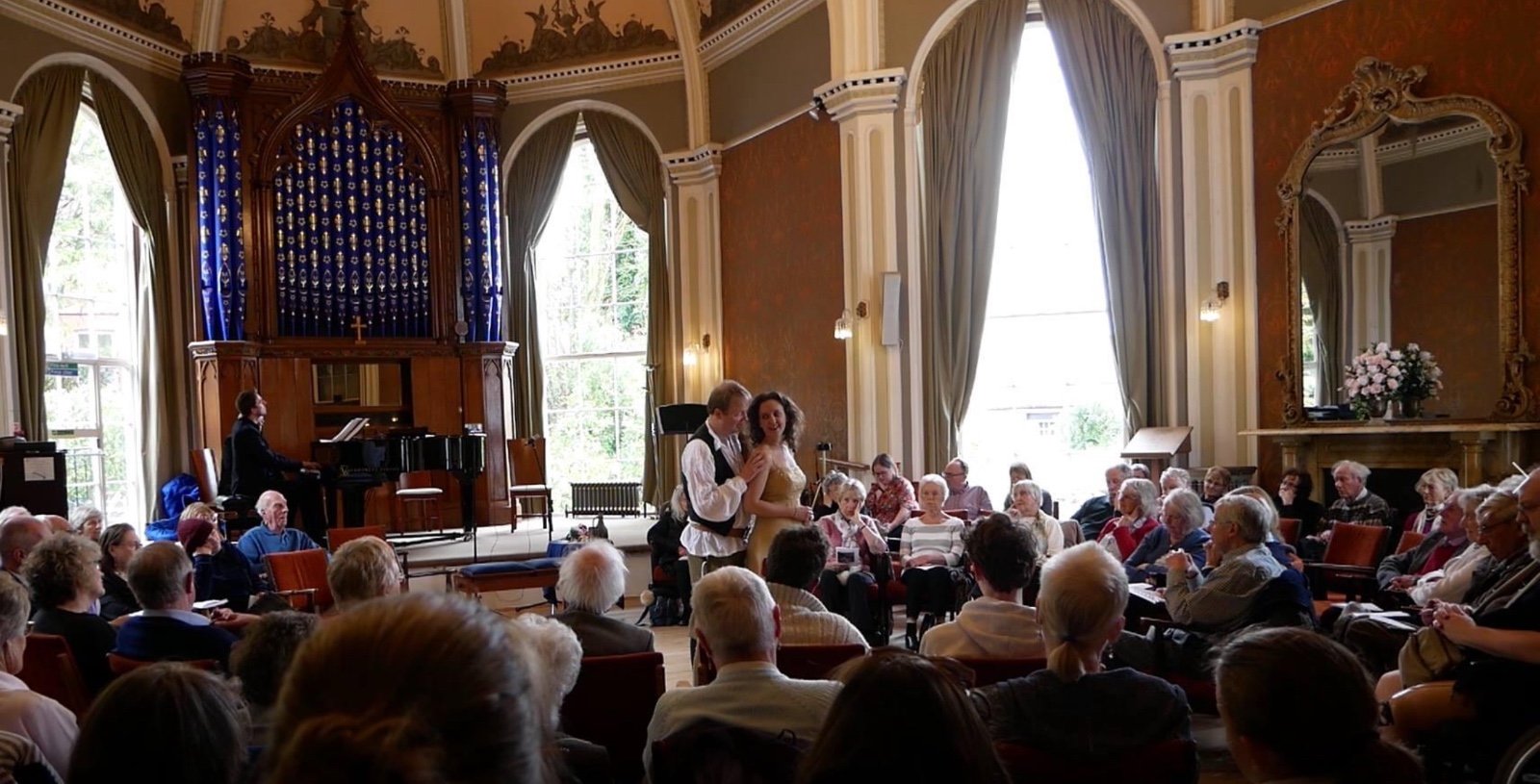
Photo Gallery


What is the project?
The project brings together musicians, electroacoustic composers and SEND specialists to investigate how immersive sound can become a creative tool for everyone.
Through workshops in SEND schools, participants will:
Record voices and environmental sounds
Control sounds using accessible switches and gestures
Experience music through vibration and haptic feedback
Create original soundscapes
Hear their creations projected around them using spatial audio
The project is an opportunity to test ideas, learn from participants and develop new artistic approaches that place disabled young people at the centre of the creative process.
Our Vision
We believe that everyone should have the opportunity to shape music, regardless of physical, sensory or communication differences.
This project explores how immersive technology can:
increase creative agency
improve accessibility
create richer sensory experiences
develop new artistic practices
influence the future of inclusive immersive performance
Technologies we're exploring
Spatial Audio
Creating three-dimensional sound environments where sounds move around the listener.
Binaural Audio
Designing immersive headphone experiences that recreate real-world spatial listening.

Haptics
Using vibration and touch so participants can physically experience sound.
Accessible Interfaces
Switches, touchpads and gesture recognition enabling participants to trigger and manipulate sound.
Our Team
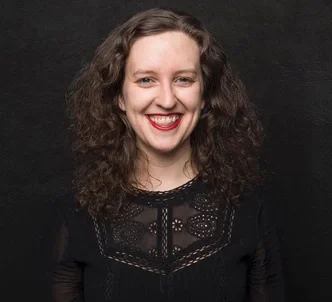
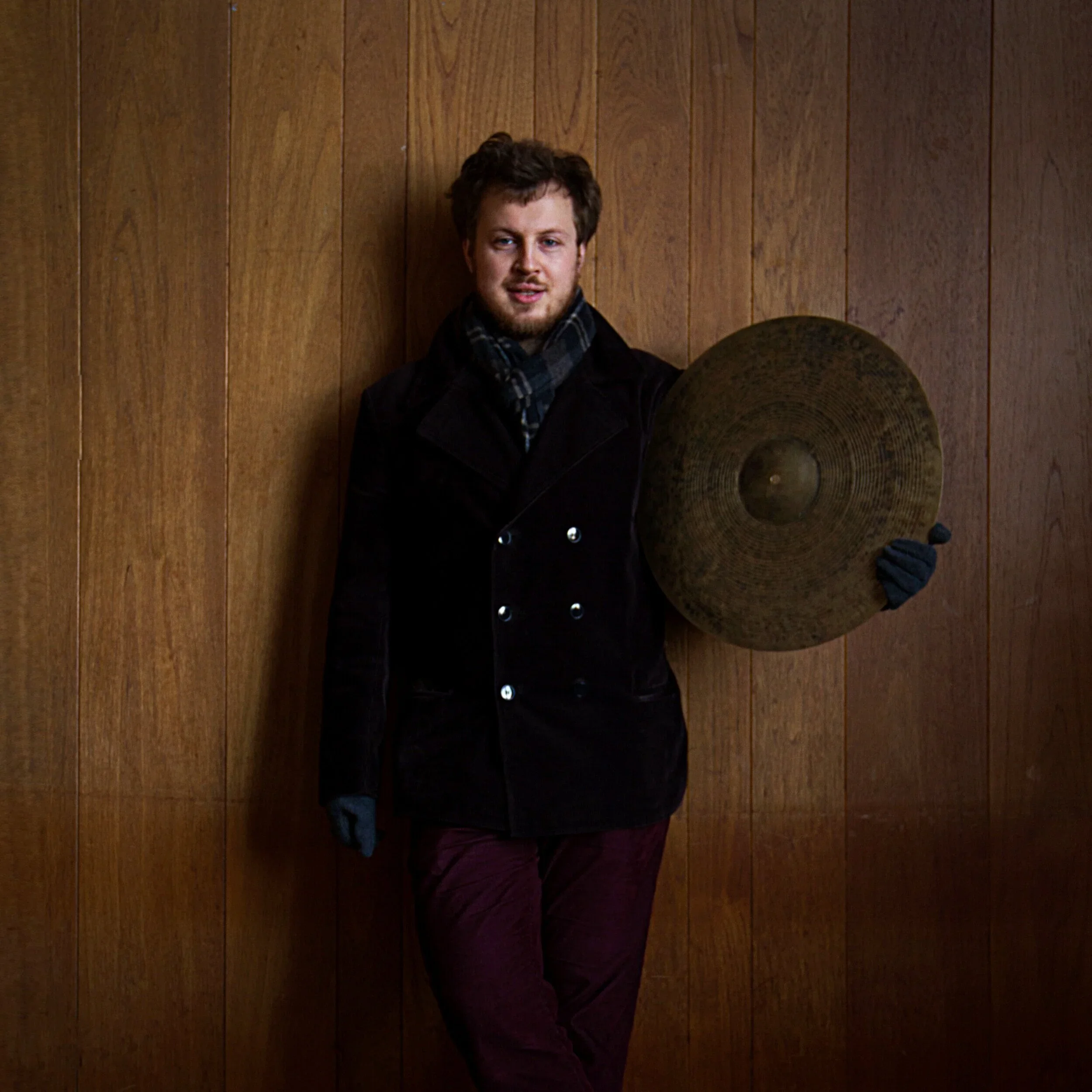
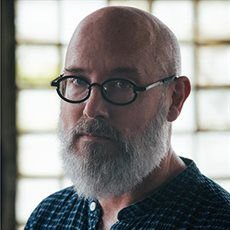
Interns from the University of Birmingham
Léa Courtois - Liberal Arts Student
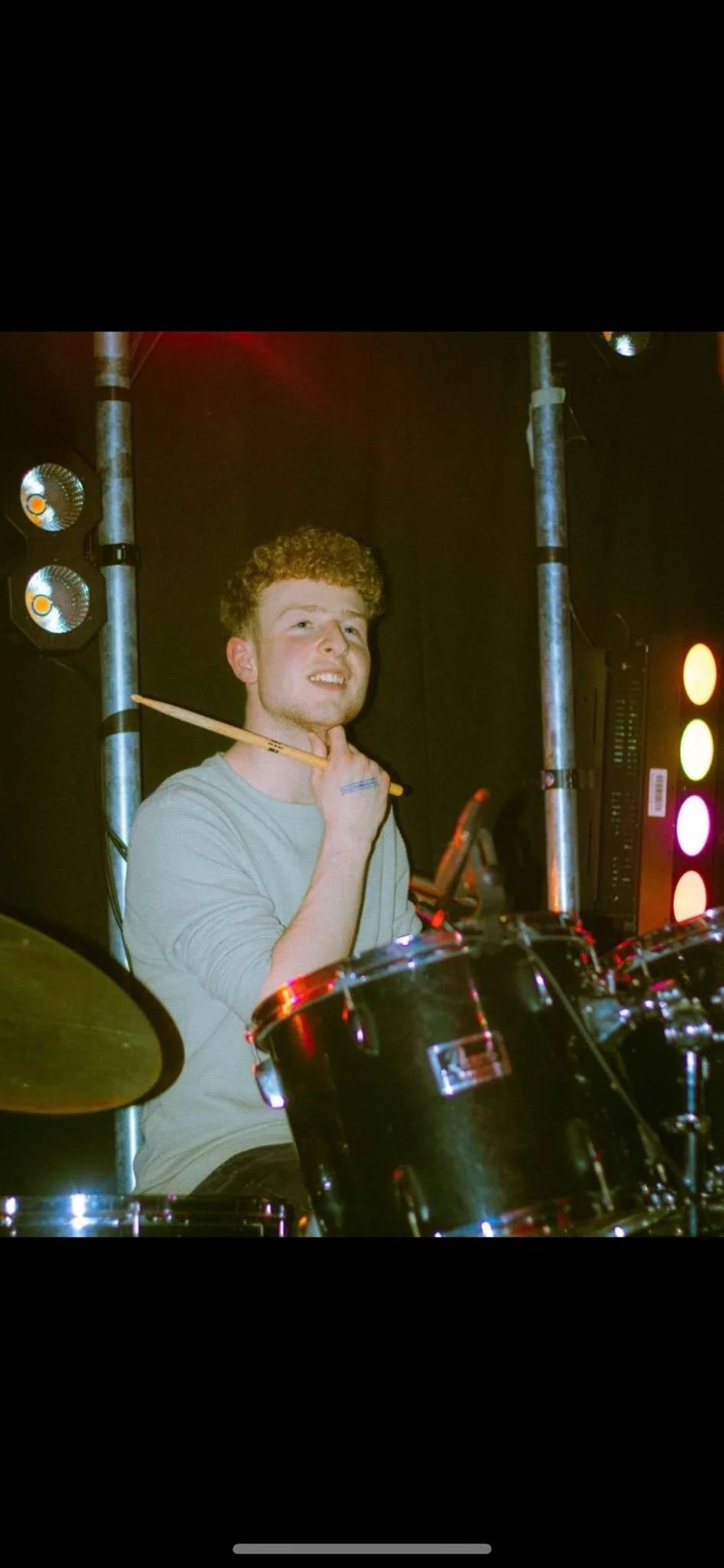
George Spraget - History Student
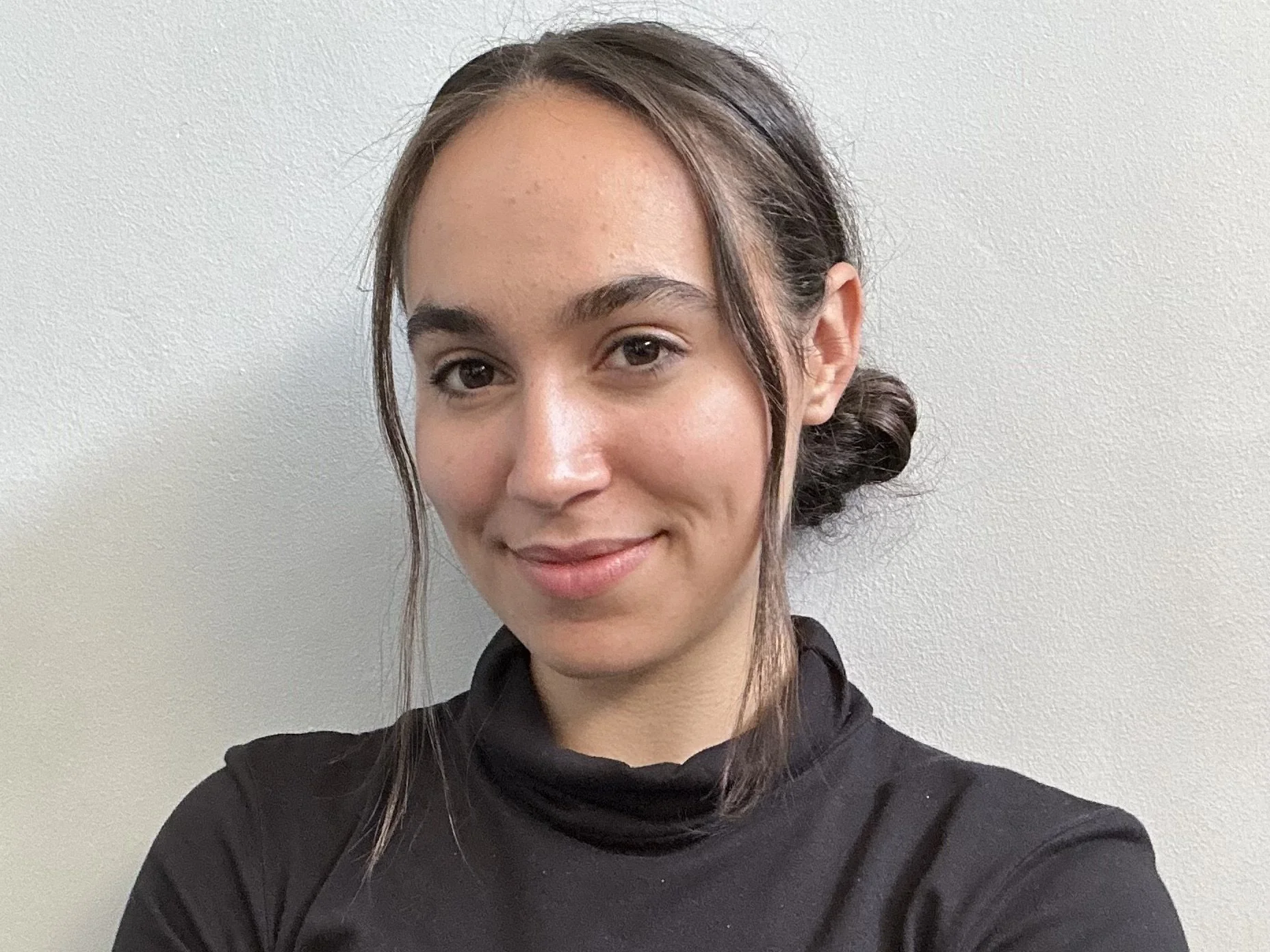

Nikita Jardim - Music Student

Partners